Modern interior design is about creating spaces that feel attractive, comfortable, and suited to contemporary lifestyles. It brings together thoughtful furniture choices, balanced colors, practical layouts, and carefully selected decorative details. Rather than filling every corner with ornaments, modern decorating focuses on giving each element a purpose while allowing the room to maintain its own character.
A well-designed home does not need expensive furnishings or complicated renovations. Even modest changes, such as rearranging furniture, improving lighting, introducing new textures, or updating wall colors, can make an interior feel noticeably different. A cohesive interior emerges when every design feature complements the others, creating a naturally coordinated and appealing space.
Interior DesignMode24: Modern Decorating Tips explores useful ways to refresh different areas of your home while maintaining a balance between appearance and practicality. Whether you are decorating a new property or improving familiar surroundings, thoughtful planning can help you develop interiors that reflect your preferences and support everyday activities.
1. Understanding the Basics of Modern Home Décor
Modern home décor generally emphasizes simplicity, useful arrangements, balanced proportions, and uncluttered surroundings. Furniture often features straightforward shapes, while decorative accessories are selected carefully instead of displayed without a clear purpose.
This does not mean that every modern interior must look plain or empty. Personal photographs, interesting artwork, patterned cushions, and distinctive furniture can all contribute to an inviting atmosphere. The important part is maintaining a visual connection between the different elements.
Start by examining your existing room. Consider its size, natural light, architectural features, and current furnishings before deciding what needs improvement. Understanding these details makes it easier to select suitable colors, materials, and decorations.
Creating Stylish and Comfortable Living Spaces
A beautiful room should also feel pleasant to use. Comfortable seating, suitable lighting, convenient storage, and enough walking space contribute to a welcoming environment. Choose furnishings that support the activities taking place in each area rather than selecting pieces based only on appearance.
Soft fabrics, carefully arranged cushions, and attractive rugs can introduce warmth without making the interior feel crowded. Personal touches, such as books, framed pictures, or meaningful accessories, help the space feel connected to the people living there.
Balancing Beauty With Everyday Functionality
Practical design decisions make a home easier to maintain and enjoy. For example, a decorative coffee table should still provide enough surface space for everyday items, while an attractive storage cabinet should accommodate belongings that would otherwise create clutter.
Think about cleaning requirements, available movement space, and the durability of materials before purchasing new items. When appearance and usefulness work together, the result is an interior that remains appealing without becoming difficult to manage.
2. Interior DesignMode24 Ideas for Modern Living Rooms
The living room often serves several purposes, including relaxation, entertainment, conversation, and spending time with family. Its design should therefore accommodate different activities while maintaining a consistent appearance. Furniture placement, color selection, and decorative accessories all influence how comfortable and organized this shared space feels.
Choosing Furniture With Clean and Simple Designs
Select furniture with shapes and proportions that complement the room. Sofas with streamlined profiles, wooden coffee tables, and simple shelving can create a contemporary foundation. Neutral upholstery provides flexibility, allowing you to introduce different colors through smaller decorative pieces.
Before purchasing anything, measure the available area and compare the dimensions with your existing furniture. A sofa that looks attractive in a showroom may overwhelm a smaller living room. Choosing appropriately sized pieces helps preserve comfortable movement throughout the space.
Creating an Attractive Living Room Layout
Arrange furniture around the main purpose of the room. If the television is the primary entertainment feature, position seating so viewers can watch comfortably. For conversation-focused spaces, arrange chairs and sofas to encourage interaction.
Maintain clear pathways between entrances, windows, and frequently used areas. Avoid placing large objects where they interfere with movement or block important sources of natural light. A thoughtful layout makes the room feel more spacious and easier to navigate.
Adding Decorative Accents and Textures
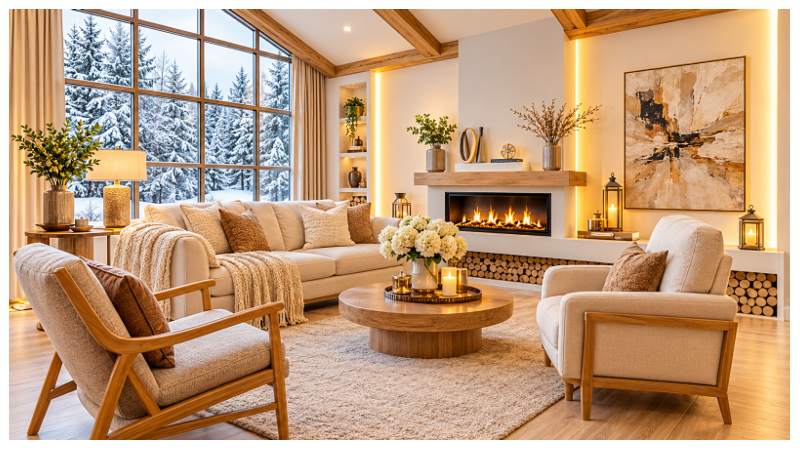
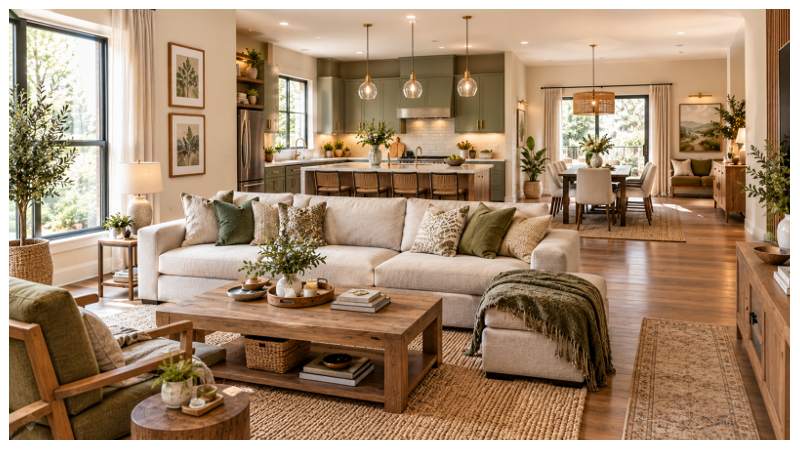
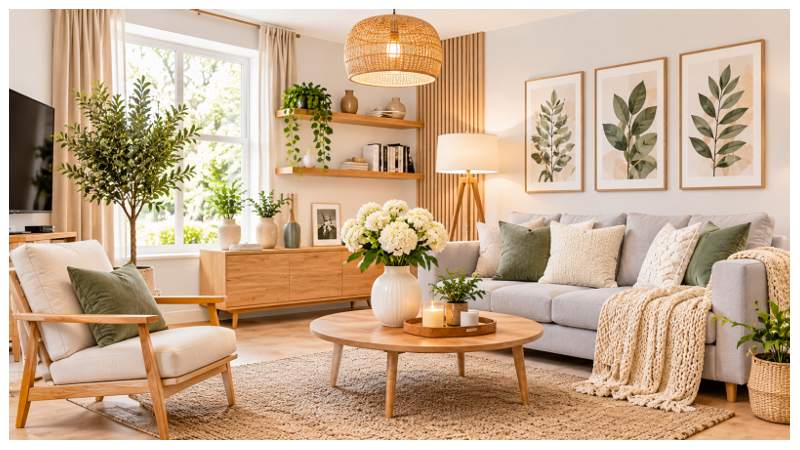
Decorative accessories give a living room personality. Cushions, throws, rugs, ceramic ornaments, and framed artwork can introduce visual interest without requiring major changes.
Use different materials to create contrast. Pair a plush upholstered sofa with a natural wooden coffee table and a richly woven rug to create an inviting contrast. Repeat selected colors in several accessories to establish a connection between different parts of the room. This approach creates a coordinated appearance without making every item identical.
3. Choosing the Right Interior Color Scheme
Color influences the mood and visual character of an interior. A carefully selected palette can make rooms feel brighter, calmer, warmer, or more energetic. Instead of choosing shades individually, consider how wall colors, furniture finishes, flooring, and accessories will appear together.
Exploring Modern Neutral Color Palettes
Neutral shades such as cream, warm white, beige, soft grey, and muted brown provide a flexible foundation for contemporary interiors. These colors work particularly well in rooms where you want furniture and decorative details to remain noticeable.
Different neutral shades can also be combined to prevent a space from feeling flat. For instance, warm cream walls, light wooden furniture, and darker grey upholstery create subtle variation while maintaining a peaceful atmosphere.
Combining Colors for Visual Harmony
A successful color scheme usually includes a main shade supported by complementary secondary colors. Begin with a dominant wall or furniture color, then introduce supporting tones through curtains, rugs, cushions, and accessories.
Consider the amount of natural light available before selecting paint. A shade may appear different under strong daylight compared with artificial lighting in the evening. Testing paint samples directly on the wall can help you understand how a color behaves in your actual room.
Using Accent Shades to Add Character
Accent colors introduce personality without requiring a complete redesign. Deep green, navy blue, terracotta, muted mustard, and dusty pink can work well when used selectively.
Introduce these shades through smaller elements such as artwork, decorative pillows, lampshades, or occasional furniture. Repeating an accent color in a few locations helps the room feel connected rather than visually scattered.
4. Modern Furniture and Space Planning
Furniture selection and room planning determine how comfortably an interior functions. Even attractive furnishings can make a room feel awkward if their dimensions or placement do not suit the available area. Careful planning helps create a more organized and balanced environment.
Selecting Practical and Stylish Furniture
Look beyond appearance when comparing furniture. Consider construction quality, material durability, comfort, maintenance, and available storage. Solid wooden pieces, metal frames, quality upholstery, and well-designed surfaces can provide useful combinations of style and reliability.
Choose items according to how frequently they will be used. A family living room may require durable fabrics and sturdy tables, while a guest bedroom might benefit from simpler furnishings with additional storage.
Arranging Furniture for Better Flow
Leave enough room for people to move comfortably between furniture pieces. Avoid placing chairs too close to doorways or positioning large cabinets where they interrupt natural pathways.
Think about the relationship between individual objects. Side tables should be conveniently accessible from seating, while storage units should remain easy to open. Balanced spacing makes the interior feel more organized and prevents furniture from competing for attention.
Making Small Rooms Feel More Spacious
Small interiors benefit from careful furniture choices and an uncluttered layout. Select appropriately scaled furnishings, use vertical storage, and avoid filling every available surface with accessories.
Lighter wall colors and well-positioned mirrors can help a compact room feel more open. Furniture with raised legs may also create a sense of visual space by allowing more of the floor to remain visible. The goal is to make every part of the room useful without overcrowding it.
5. Creative Wall Décor and Interior Details
Walls provide valuable opportunities to introduce personality and visual interest. Instead of treating them as empty backgrounds, use them to support the overall decorating theme. A carefully chosen combination of artwork, mirrors, shelves, and textured finishes can give an interior a distinctive appearance.
Decorating Walls With Modern Artwork
Artwork can establish a focal point and connect different colors within a room. Choose paintings, prints, or photographs that complement your furniture and reflect your interests.
Consider the size of the wall before selecting a frame. A very small picture may disappear above a large sofa, while an oversized piece can dominate a narrow area. Gallery arrangements also work well when frames share a consistent color, spacing, or visual theme.
Using Mirrors to Enhance Interior Spaces
Mirrors offer both decorative and practical value. They reflect available light and can make certain areas appear more open. Placing a mirror opposite a window may help distribute natural brightness throughout the room.
Choose a frame that suits the interior style. Simple metal borders work well in contemporary settings, while wooden frames can introduce additional warmth. Avoid placing mirrors where they reflect distracting clutter or create uncomfortable glare.
Adding Texture Through Wall Finishes
Wall finishes can provide depth without relying on bold colors. Textured paint, decorative panels, subtle wallpaper, and natural materials create different visual effects.
A feature wall behind a bed or sofa can introduce interest while keeping the remaining surfaces simple. Choose finishes that complement the room’s furniture and lighting, and consider cleaning requirements before selecting a material.
6. Lighting Ideas for Contemporary Interiors
Lighting influences how a room looks and how comfortably it can be used. A carefully planned arrangement should support practical activities while creating an inviting atmosphere. Combining several lighting sources is often more effective than depending on a single ceiling fixture.
Combining Natural and Artificial Lighting
Make the most of daylight by keeping windows reasonably clear and choosing curtains that allow suitable amounts of sunlight into the room. Natural brightness can make interiors feel more open and welcoming.
Artificial lighting should provide support after sunset and in areas that receive limited daylight. Combine general room illumination with focused lighting for reading, cooking, or working. This layered approach gives you greater control over the atmosphere.
Selecting Modern Ceiling and Pendant Lights
Ceiling fixtures provide overall illumination, while pendant lights can introduce a decorative feature. Choose a design that suits the room’s dimensions and ceiling height. A large hanging fixture may work well above a dining table but could feel overwhelming in a compact hallway.
Recessed lights, modern chandeliers, and simple pendant designs can all complement contemporary interiors. Consider brightness, bulb type, and maintenance before making a final selection.
Creating a Warm and Inviting Atmosphere
The color temperature of lighting affects how comfortable a room feels. Warm lighting often suits bedrooms and relaxing living areas, while neutral or cooler lighting may be useful in kitchens and workspaces.
Table lamps, floor lamps, and wall lights can soften harsh illumination and introduce visual depth. Position them where their light serves a clear purpose instead of adding fixtures simply for decoration.
7. Modern Kitchen and Dining Room Design
Kitchens and dining areas require a combination of organization, durability, and attractive design. These spaces support regular household activities, so their layouts should make everyday tasks convenient while maintaining a consistent visual style.
Creating a Functional Kitchen Layout
Plan the kitchen around the main working areas, including the sink, cooking appliances, and refrigerator. Keep frequently used utensils and ingredients within convenient reach, and provide sufficient preparation space wherever possible.
Good storage also makes a noticeable difference. Deep drawers, organized cabinets, and suitable shelves help prevent countertops from becoming crowded. A practical layout can improve daily movement and make cleaning easier.
Choosing Stylish Cabinets and Countertops
Cabinet finishes influence the overall appearance of a kitchen. Light-colored doors can create a fresh impression, while natural wood finishes add warmth. Matte surfaces provide a subtle appearance, whereas selected glossy finishes can reflect light.
For countertops, consider durability, maintenance, appearance, and household requirements. Quartz, granite, and other suitable surfaces offer different benefits. Coordinate cabinet colors with flooring, handles, and backsplashes for a more unified design.
Designing an Attractive Dining Area
A dining space should provide comfortable seating and enough room for people to move around the table. Choose a table size that suits the number of regular users and the available floor area.
Pendant lighting above the table can create a visual center, while simple table decorations introduce personality. A small vase, fabric runner, or attractive serving pieces can complete the arrangement without making the surface difficult to use.
8. Bedroom Decorating Tips for Modern Homes
A bedroom should feel restful, private, and comfortable. Its design benefits from soft colors, suitable furniture, and carefully controlled lighting. Instead of introducing too many decorative features, focus on elements that support relaxation and provide practical convenience.
Selecting Comfortable and Elegant Bedding
Bedding has a strong influence on the appearance and comfort of a bedroom. Choose breathable materials that suit the local climate and your personal preferences. Cotton and linen are popular options, while suitable layered fabrics can provide additional comfort.
Coordinate sheets, pillow covers, and blankets through complementary colors rather than matching every item exactly. A few carefully selected cushions can add texture without making the bed difficult to arrange.
Choosing Suitable Bedroom Furniture
Select bedroom furniture according to the available space and storage requirements. A comfortable bed, practical bedside tables, and an appropriately sized wardrobe usually provide a useful foundation.
If the bedroom is compact, consider furniture that includes built-in storage. Keep frequently used belongings accessible and avoid placing unnecessary objects around the bed. A clear arrangement makes the room easier to maintain.
Creating a Relaxing Bedroom Atmosphere
Soft lighting, comfortable bedding, and reduced visual clutter can help create a peaceful setting. Choose curtains that provide suitable privacy and light control, and consider using gentle wall colors to establish a calm background.
Keep electronic devices and unnecessary distractions away from the sleeping area when possible. Small details, such as a bedside reading lamp or a favorite photograph, can make the room feel personal without disturbing its overall simplicity.
9. Adding Textures and Natural Elements
A modern interior does not need to rely entirely on smooth surfaces and artificial materials. Natural finishes and varied textures can make rooms feel more welcoming and visually interesting. Combining different materials thoughtfully creates contrast while maintaining a comfortable atmosphere.
Mixing Wood, Stone, Metal, and Fabric
Each material contributes a different quality to an interior. Wood introduces warmth, stone provides a natural appearance, metal adds definition, and fabric softens harder surfaces.
Combine these materials in a balanced way. For example, a wooden dining table can work with metal chairs and upholstered seating. A stone countertop may complement wooden cabinets and simple metal handles. Repeating a few finishes throughout the home helps establish continuity.
Introducing Indoor Plants and Natural Materials
Indoor plants can bring freshness and color into living spaces. Select varieties according to available sunlight, room conditions, and the amount of care you can provide. Place them on suitable stands, shelves, or corners where they will not obstruct movement.
Natural materials such as woven baskets, wooden accessories, linen curtains, and jute rugs can also introduce texture. These details create an inviting appearance without requiring dramatic decorative changes.
Creating Depth With Different Textures
A room can feel visually richer when smooth and textured finishes appear together. Pair a soft rug with a wooden floor, combine linen curtains with a polished table, or introduce a textured cushion against plain upholstery.
Avoid using too many competing patterns. Select a few textures that complement one another and repeat them in suitable locations. This helps maintain a coordinated appearance while preventing the room from feeling monotonous.
10. Interior DesignMode24 Tips for Small Spaces
Decorating a compact home requires careful decisions because every piece of furniture and every available surface matters. The right layout can make limited space feel more comfortable and organized without sacrificing personal style.
Making the Most of Limited Room Space
Begin by identifying which activities take place in each area. Arrange furniture to support those activities and remove objects that no longer serve a useful purpose.
Use vertical wall space for shelves and storage, and select decorations that do not occupy unnecessary floor area. Mirrors and suitable lighting can also help create a more open visual impression.
Using Multifunctional Furniture
Furniture that performs more than one task can be especially helpful in smaller homes. Storage beds, folding tables, nesting side tables, and sofa beds provide flexibility without requiring several separate pieces.
Before purchasing multifunctional furniture, check that it is comfortable and convenient to operate. A practical item should make everyday activities easier rather than introduce additional complications.
Keeping Interiors Organized and Clutter-Free
Regular organization prevents small spaces from becoming difficult to use. Assign specific storage locations to everyday belongings and return items after use. Baskets, drawer dividers, and labeled containers can help keep smaller possessions under control.
Avoid purchasing storage products without first assessing what needs organizing. A simple arrangement based on actual household needs is often more effective than filling the room with additional containers.
11. Common Interior Decorating Mistakes to Avoid
Even carefully planned interiors can lose their appeal when decorating decisions do not consider the room as a whole. Understanding common mistakes helps you make better choices and avoid unnecessary expenses.
Overcrowding Rooms With Too Much Furniture
Adding more furniture does not automatically make a room more comfortable. Too many chairs, tables, shelves, and decorative objects can restrict movement and make the interior feel smaller.
Measure the room before buying new pieces and prioritize the furniture that supports everyday activities. Leave open areas where possible so the space feels balanced and accessible.
Choosing Inconsistent Colors and Materials
Using too many unrelated colors, patterns, and finishes can make a home feel visually disconnected. Before decorating, select a basic palette and identify a few materials that can appear throughout different rooms.
Consistency does not require every room to look identical. You can introduce different accent shades and decorative styles while maintaining a shared visual connection through flooring, wood finishes, or selected colors.
Ignoring Lighting and Practical Requirements
A beautiful room may become inconvenient if it lacks suitable illumination, storage, or comfortable movement space. Decorative choices should always be considered alongside practical needs.
Check whether reading areas have focused lighting, kitchen surfaces provide enough working space, and bedrooms offer suitable storage. These details help ensure that attractive interiors remain useful in everyday life.
12. Maintaining a Stylish Modern Interior
Creating an attractive home is only the beginning. Regular care and occasional updates help preserve its appearance while allowing the interior to adapt to changing preferences. You do not need to redesign every room frequently to keep your surroundings interesting.
Keeping Your Living Space Fresh and Organized
Clean frequently used surfaces, maintain furniture finishes, and organize belongings before clutter becomes difficult to manage. Wash removable fabrics according to their care instructions and address minor maintenance problems before they become more serious.
A consistent cleaning routine protects the appearance of decorative materials and makes the home more comfortable to use.
Updating Décor Without Major Renovations
Small adjustments can refresh a familiar room without involving construction work. Replace cushion covers, introduce a new rug, rearrange artwork, or change a lampshade to create a different appearance.
You can also move suitable accessories between rooms to make existing possessions feel new. Before buying anything, consider whether rearranging your current furniture could achieve the same result.
Choosing Timeless Designs Over Temporary Trends
Trends can provide inspiration, but following every new decorating style may lead to unnecessary spending. Invest in foundational pieces that suit your lifestyle and choose accessories that can be updated easily.
Simple furniture shapes, durable materials, and balanced color schemes often provide a flexible starting point. Add fashionable details in smaller amounts so that changing your preferences does not require replacing the entire interior.
13. Conclusion: Create a Modern and Beautiful Home
Modern decorating is not simply about selecting fashionable furniture or copying attractive interiors from magazines. It involves understanding your available space, choosing suitable materials, improving lighting, and arranging everyday essentials in a way that feels natural. When these elements work together, a home can become both visually appealing and genuinely comfortable.
Interior DesignMode24: Modern Decorating Tips highlights how thoughtful decisions can improve different areas of your home without making every project complicated or expensive. From refreshing a living room to organizing a small bedroom, each improvement should support the way you actually use your surroundings.
Bringing Your Decorating Ideas Together
Look at your home as a connected environment rather than a collection of unrelated rooms. Repeat selected colors, finishes, and textures to establish visual continuity. At the same time, allow each area to serve its own purpose through appropriate furniture and decorative details.
Prioritizing Comfort and Personal Style
Your home should reflect your preferences rather than follow a strict decorating formula. Choose furniture you enjoy using, colors that make you feel comfortable, and accessories that hold personal meaning. Practical decisions can still produce distinctive and attractive results.
Making Your Interior Design Lasting and Practical
The most successful interiors are designed to support everyday living over time. Focus on durable materials, flexible furniture, manageable layouts, and decorations that remain meaningful beyond temporary trends. With thoughtful planning and regular care, you can create a modern home that feels welcoming, organized, and suited to your lifestyle.