A thoughtfully designed home is more than a collection of attractive furniture and decorative objects. It is a place where every room supports daily activities while expressing a clear sense of style. Good interior design considers the relationship between space, light, color, materials, and personal preferences. When these elements work together, even an ordinary room can become inviting and memorable.
1. Exploring the Key Features of Modern Interior Spaces
Modern interiors often feature clean arrangements, practical furniture, balanced colors, and carefully selected decorations. Instead of filling every available area, this approach gives individual elements enough room to make an impression. Simple shapes, uncluttered surfaces, and useful storage contribute to an organized appearance.
Natural materials can also bring warmth into contemporary spaces. Timber furniture, stone finishes, glass details, and woven fabrics introduce different qualities without making a room feel crowded. The aim is not to follow every popular trend but to create an environment that feels appropriate for the people who use it.
Balancing Visual Beauty With Everyday Comfort
An attractive room should remain comfortable and convenient throughout the day. A beautiful chair, for example, has limited value if it is uncomfortable to sit in. Similarly, an impressive dining table may become inconvenient if it blocks movement between the kitchen and living area.
Consider how each room is used before making decorating decisions. Choose furniture that suits household routines, maintain practical walking spaces, and select finishes that are easy to care for. Combining these considerations with attractive details creates interiors that look appealing without sacrificing usability.
Choosing a Design Style That Reflects Your Taste
Every homeowner has different preferences, so there is no single decorating style that suits every property. Some people appreciate the simplicity of contemporary interiors, while others prefer traditional details, rustic finishes, or a combination of different influences.
Begin by collecting examples of rooms, furniture, and color combinations that appeal to you. Look for recurring features rather than copying an entire design. A consistent selection of materials, shapes, and colors can help connect your preferences into a distinctive interior style.
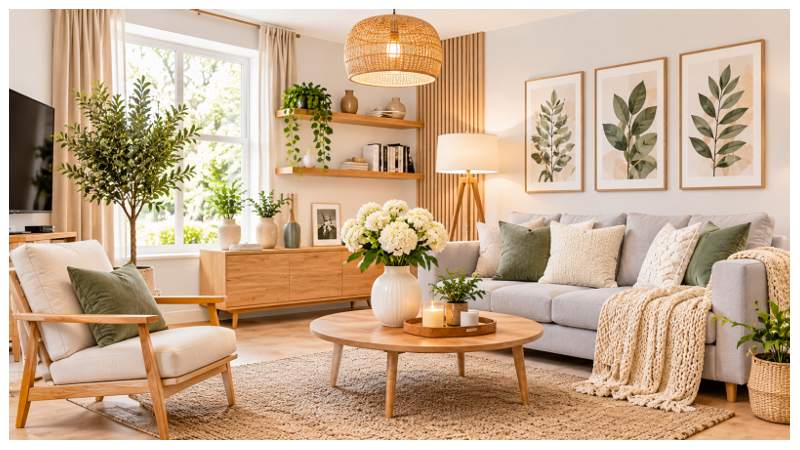
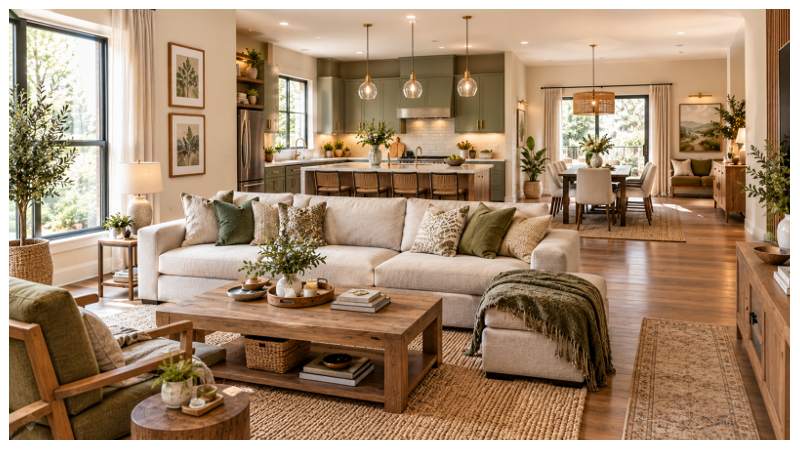
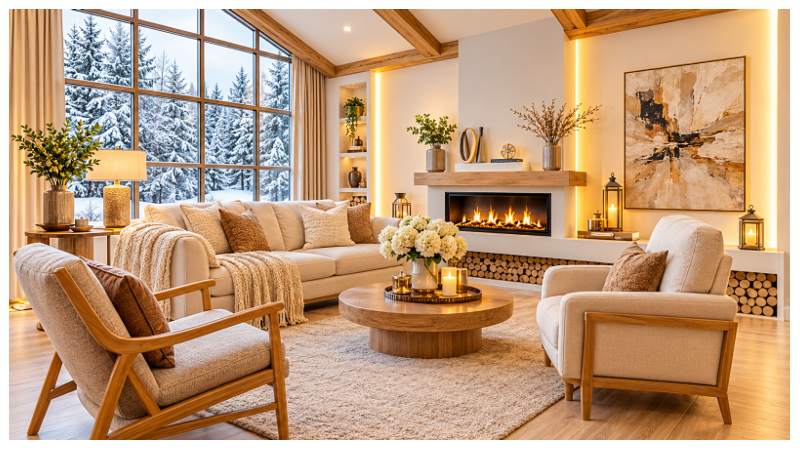
2. Interior Design DesignMode24 Ideas for Modern Living Rooms
Selecting Furniture That Combines Style and Comfort
Start with the main seating pieces, such as sofas, armchairs, and occasional chairs. Their dimensions should correspond to the available floor area, and their design should complement the room’s overall appearance. A generously sized sofa can suit a spacious living room, whereas a compact seating arrangement may be more appropriate for a smaller property.
Coffee tables, side tables, and media units should provide useful surfaces without overwhelming the room. Upholstery also deserves attention because it affects both appearance and maintenance. Select fabrics that suit the household’s lifestyle, particularly when children or pets use the space regularly.
Creating an Attractive and Functional Furniture Layout
Furniture placement influences how comfortably people move through a living room. Avoid positioning large pieces in ways that interrupt entrances, windows, or important pathways. Instead, arrange seating around a natural focal point, such as a fireplace, television wall, or attractive window.
In open-plan properties, furniture can help distinguish the lounge from nearby dining or kitchen areas. A rug, sofa arrangement, or carefully positioned console table can establish separate zones without introducing unnecessary partitions. Arrange furnishings with sufficient clearance so people can move comfortably throughout the room without encountering obstacles.
Adding Character Through Colors, Textures, and Accessories
A living room becomes more interesting when its surfaces and furnishings offer a variety of visual qualities. Soft cushions, textured throws, framed artwork, ceramic objects, and carefully chosen rugs can introduce personality. These details should complement one another rather than compete for attention.
A neutral background provides flexibility for decorative changes, while selected accent colors can create a stronger impression. For instance, a room with warm beige walls may benefit from deep green cushions, wooden accessories, or dark metal lighting. Repeating a few colors across different elements helps the arrangement feel connected.
3. Creating Elegant and Comfortable Bedroom Interiors
A bedroom should provide a peaceful setting for rest while offering enough practical space for clothing, personal belongings, and everyday routines. Its design benefits from a restrained approach, where comfortable furnishings and useful organization take priority over excessive decoration.
Choosing Colors That Promote Rest and Relaxation
The bedroom’s color scheme can influence its overall atmosphere. Muted shades such as soft grey, warm white, pale blue, and gentle earthy tones often create a calm visual effect. Those who prefer stronger colors can introduce them through a feature wall, bedding, or smaller decorative elements.
Consider how daylight and artificial lighting affect the chosen shades. A color that looks subtle in a bright showroom may appear considerably darker in a room with limited natural light. Applying small paint swatches directly to the surface allows you to assess the actual shade before committing to a complete room makeover.
Using Smart Storage to Keep Bedrooms Organized
A well-organized bedroom is easier to maintain and more comfortable to use. Wardrobes with adjustable shelves, drawer dividers, under-bed containers, and bedside cabinets provide practical places for belongings. Storage should be planned according to the items that need to be kept rather than selected only for appearance.
In smaller bedrooms, consider vertical storage and furniture with built-in compartments. Wall-mounted shelves can hold books and personal objects, while a storage bed can make use of space that might otherwise remain unused. Keeping frequently used items accessible also makes daily routines more convenient.
Adding Decorative Details for a Cozy Atmosphere
Soft furnishings help establish a comfortable bedroom environment. Layered bedding, suitable curtains, cushions, and a pleasant rug can make the room feel more welcoming. Choose materials that feel comfortable and suit the season, rather than relying entirely on decorative appeal.
Personal photographs, a small artwork collection, or a favorite bedside lamp can give the room an individual character. Keep the arrangement selective so that the bedroom remains restful rather than visually busy.
4. Stylish Kitchen Interiors and Practical Design Solutions
The kitchen requires a careful balance between appearance, hygiene, and efficient movement. Its design should make cooking, cleaning, and storing supplies straightforward while creating a pleasant environment for everyday use.
Planning a Kitchen Layout for Better Functionality
Before selecting cabinets or decorative finishes, examine the available dimensions and the position of doors, windows, plumbing, and electrical connections. The main work areas should be arranged so that preparing food, washing ingredients, and cooking can happen without unnecessary movement.
A practical layout also needs clear work surfaces and sufficient room for opening cabinet doors and appliances. In larger kitchens, an island may provide extra preparation space and informal seating. Smaller kitchens may benefit more from a narrow counter extension or a compact movable trolley.
Selecting Cabinets, Worktops, and Modern Finishes
Cabinetry has a major influence on the kitchen’s visual character. Flat-front doors create a streamlined appearance, while framed designs can introduce a more traditional quality. Select a finish that works with the flooring, walls, and other permanent features.
Worktops should be chosen according to their appearance, durability, cleaning requirements, and budget. Different materials offer different advantages, so consider how frequently the kitchen is used before making a decision. A coordinated combination of cabinet colors, handles, and backsplash finishes can create a polished result.
Organizing Kitchen Essentials With Creative Storage Ideas
Good storage prevents frequently used equipment from spreading across counters. Drawer organizers, pull-out baskets, corner units, vertical dividers, and dedicated pantry shelves can make better use of available space.
Group similar items together so that cooking tools, tableware, ingredients, and cleaning supplies each have a suitable location. Store everyday essentials within easy reach and place occasional-use equipment in less accessible cabinets. This simple arrangement helps keep the kitchen tidy and efficient.
5. Budget-Friendly Ideas for Stylish Home Interiors
Creating an attractive home does not always require purchasing expensive furniture or carrying out major renovations. Small improvements, careful shopping, and creative reuse can make noticeable differences without placing unnecessary pressure on a household budget.
Updating Interior Spaces Without Major Expenses
Begin by identifying the parts of a room that look tired or no longer serve their purpose. A fresh coat of paint, improved furniture placement, updated handles, or better storage may be enough to refresh the environment.
Prioritize changes that improve both appearance and usefulness. Replacing a damaged fixture or repairing a worn surface may provide greater long-term value than buying several decorative objects. Planning improvements in stages also makes expenses easier to manage.
Using Affordable Decorations to Improve Room Appearance
Affordable accessories can introduce new colors and visual interest without changing the main furniture. Cushion covers, simple framed prints, small lamps, decorative trays, and indoor planters are examples of items that can update a room.
Choose accessories according to the existing interior rather than purchasing everything separately. A few coordinated pieces generally create a more considered appearance than a large collection of unrelated decorations.
Giving Existing Furniture a Fresh and Modern Look
Older furniture can often be improved instead of discarded. Depending on its condition, a table may benefit from sanding and refinishing, while a cabinet can receive a new paint color or replacement handles. Reupholstering a suitable chair can also extend its useful life.
Before starting a project, check whether the item is structurally sound and whether the proposed treatment suits its material. Careful preparation and suitable products are important for achieving a neat finish.
6. Lighting Ideas That Enhance Interior Spaces
Lighting affects how colors, furniture, and architectural features appear. A room with well-planned illumination can feel welcoming, practical, and visually balanced, while poorly positioned lights may create dark corners or uncomfortable glare.
Making Better Use of Natural Light
Natural daylight can make interiors feel open and pleasant. Keep windows as unobstructed as possible, use curtains that allow suitable amounts of light through, and avoid placing bulky furniture directly in front of important openings.
Mirrors can help distribute daylight across a room when positioned thoughtfully. Light-colored walls and reflective surfaces may also make a space feel brighter. However, privacy, temperature control, and glare should remain part of the planning process.
Choosing Decorative Fixtures for Different Rooms
Light fixtures contribute to the design as well as providing illumination. Pendant lights can become a focal feature above dining tables or kitchen islands, while wall lights can add gentle illumination to hallways and bedrooms.
Select fixtures according to the room’s dimensions, ceiling height, and intended use. Their shape and finish should complement the interior rather than appear unrelated to the surrounding furniture and materials.
Combining Ambient, Task, and Accent Lighting
A flexible lighting arrangement usually includes more than one source. Ambient lighting provides general illumination, task lighting supports activities such as reading or cooking, and accent lighting draws attention to selected features.
For example, a living room may combine ceiling lights with a reading lamp and subtle wall illumination. In a kitchen, bright task lighting over work surfaces can work alongside softer general lighting. Using separate controls where practical allows the atmosphere to change throughout the day.
7. Interior Design Solutions for Small Homes
Limited floor space does not prevent a home from looking attractive and feeling comfortable. The most effective approach is to use available areas carefully, reduce unnecessary items, and select furnishings that support more than one purpose.
Making Effective Use of Limited Floor Space
Examine overlooked areas such as corners, spaces above doors, and unused wall sections. Shelves and wall-mounted cabinets can provide additional storage without taking up valuable floor area.
Keep frequently used pathways clear and avoid introducing furniture that is too large for the room. A carefully planned arrangement can make a compact interior easier to navigate and more pleasant to occupy.
Choosing Multi-Purpose Furniture for Everyday Needs
Furniture that performs several functions can be especially useful in smaller homes. A sofa bed may provide guest accommodation, an extendable dining table can adapt to different occasions, and an ottoman with internal storage can serve as both seating and a place to keep belongings.
Choose multi-purpose pieces that are comfortable and simple to operate. Their dimensions should still suit the room, even when their additional features are not being used.
Creating a Spacious Look With Simple Design Techniques
A sense of openness comes from more than the actual dimensions of a room. Consistent flooring, restrained decoration, suitable lighting, and a coordinated color palette can make a compact area appear less crowded.
Use mirrors where they can reflect daylight or an attractive part of the room. Select curtains that hang neatly and avoid covering too much of the wall. Keeping surfaces reasonably clear also helps maintain a more open appearance.
8. Modern Bathroom Interiors With a Stylish Finish
Bathrooms benefit from materials and arrangements that support cleanliness, moisture resistance, and everyday convenience. Even a compact bathroom can feel refined when its fixtures, finishes, and storage are selected carefully.
Selecting Contemporary Bathroom Fixtures and Materials
Choose taps, shower fittings, basins, and other fixtures that suit the room’s size and plumbing arrangement. Simple profiles and coordinated finishes can create a consistent appearance without requiring elaborate decoration.
Flooring and wall materials should be suitable for wet environments and provide appropriate slip resistance. Consider maintenance requirements as well as appearance, particularly in areas that receive frequent water exposure.
Improving Storage in Small Bathroom Spaces
Storage helps keep toiletries, towels, and cleaning products organized. Wall-mounted cabinets, mirrored storage units, narrow shelves, and vanity drawers can make use of available space without overcrowding the floor.
Keep frequently used products accessible and store spare supplies separately. A small number of well-positioned storage features can make the bathroom easier to clean and more comfortable to use.
Creating a Clean and Relaxing Bathroom Environment
A peaceful bathroom atmosphere can be developed through good lighting, neat surfaces, and a consistent selection of finishes. Soft towels, a simple mirror, and subtle accessories may add warmth without taking attention away from the room’s practical features.
Ventilation is equally important. A suitable exhaust fan or effective window ventilation helps manage moisture and reduces the risk of persistent dampness.
9. Choosing Colors, Patterns, and Materials for Interiors
Colors and materials influence the personality of a home. Their selection should consider the size of each room, the amount of natural light, existing furniture, and the atmosphere you want to create.
Creating a Harmonious Color Scheme for Your Home
Start with a small group of complementary shades and decide where each one will appear. Walls can provide a neutral foundation, while furniture, textiles, and accessories introduce additional colors.
A consistent palette across connected rooms can help a home feel coordinated. Individual spaces can still have their own character through carefully selected accent shades or different decorative details.
Combining Natural and Contemporary Interior Materials
Different materials can work together to create depth and contrast. Wood brings warmth, glass offers visual lightness, stone introduces a distinctive surface, and metal details can add a modern finish.
The key is to maintain a sensible balance. Repeating one or two materials in several areas helps connect the design, while introducing contrasting textures prevents the interior from feeling monotonous.
Using Patterns and Textures to Add Visual Interest
Patterns can bring energy to an otherwise simple room. They may appear in rugs, cushions, curtains, wallpapers, or decorative tiles. Textured materials, including woven fabrics and natural finishes, add another layer of interest.
Avoid using too many competing patterns in one area. Select a dominant design and support it with simpler surfaces or smaller coordinated details.
10. Decorative Accessories That Complete Your Interior Design
Accessories help turn a well-furnished room into a personal living environment. Their purpose is to add character, introduce meaningful details, and connect different parts of the interior.
Selecting Wall Art and Decorative Features
Artwork can establish a focal point and introduce colors that appear elsewhere in the room. Choose pieces according to the available wall space and the overall style of the interior. A larger artwork may suit a broad wall, while a small collection can work well in a hallway or reading corner.
Check the height and spacing before hanging anything. Balanced placement creates a more intentional display than arranging pieces without considering their relationship.
Adding Rugs, Curtains, and Soft Furnishings
Rugs can define seating areas, soften hard flooring, and introduce texture. Curtains provide privacy and help manage daylight, while cushions and throws can make furniture feel more inviting.
Pay attention to proportions. A rug that is too small may make a seating arrangement appear disconnected, while overly heavy curtains can dominate a compact room. Select suitable sizes, fabrics, and colors for each space.
Arranging Accessories Without Creating Clutter
Decorative objects look more effective when they have room around them. Instead of covering every surface, group a few related pieces on shelves, side tables, or consoles. Varying their heights and shapes can create a more interesting arrangement.
Choose objects that have personal meaning or a clear decorative purpose. Leaving some empty space allows the selected pieces to stand out and makes cleaning easier.
11. Smart Interior Design Features for Modern Homes
Technology can support modern living when it is introduced with attention to convenience, safety, and appearance. Smart features should solve everyday problems rather than add complexity to a home.
Introducing Smart Lighting and Home Controls
Smart bulbs, connected switches, and automated lighting systems allow users to adjust illumination through compatible controls. Depending on the equipment, settings can be changed remotely or scheduled for particular times.
Before installing these features, check compatibility with existing wiring, switches, and home networks. Simple controls are often preferable to systems that require complicated daily operation.
Integrating Technology With Interior Decorations
Technology should fit naturally into the room. Concealed cable channels, organized charging stations, and carefully positioned speakers can reduce visual clutter. Wall-mounted screens may also create a cleaner arrangement when installed safely and at a suitable viewing height.
Choose equipment according to actual needs and available space. Avoid purchasing devices simply because they are fashionable if they do not provide a useful benefit.
Improving Daily Convenience Through Connected Features
Connected thermostats, smart doorbells, automated blinds, and selected security devices can make household routines more manageable. Their usefulness depends on reliable connectivity, proper setup, and suitable privacy settings.
Think about which activities could genuinely become easier before selecting a system. A few dependable devices may offer more value than a large collection of features that are rarely used.
12. Common Interior Design Mistakes and How to Avoid Them
Even attractive decorating ideas can produce disappointing results when planning is overlooked. Paying attention to room dimensions, visual balance, and practical requirements can prevent unnecessary spending and improve the final outcome.
Choosing Furniture Without Considering Room Measurements
Furniture that looks suitable in a showroom may be too large for the intended room. Measure the available floor area, doorways, and access routes before purchasing large pieces. Also consider the space required to open drawers, move chairs, and walk comfortably around furniture.
A simple floor plan can help compare different arrangements before anything is moved or purchased.
Overusing Colors, Patterns, and Decorative Items
Introducing too many competing colors or decorative features can make an interior feel unsettled. Choose a clear visual direction and repeat a limited selection of shades and materials throughout the space.
This does not mean every room must look identical. Different accents can create variety while a shared palette maintains a sense of connection.
Ignoring Lighting, Storage, and Practical Requirements
Decorating decisions should account for how a room functions throughout the day. Insufficient lighting can make useful spaces uncomfortable, while inadequate storage can quickly lead to clutter.
Consider cleaning, maintenance, privacy, and household routines during the planning stage. Addressing these needs early helps prevent attractive design choices from becoming inconvenient later.
13. Final Thoughts on Interior Design DesignMode24: Stylish Interiors
Creating stylish interiors is a gradual process that combines thoughtful planning, personal taste, and practical decisions. From arranging living room furniture to improving kitchen storage, choosing bedroom colors, and introducing suitable lighting, every detail contributes to the overall experience of a home.
The most successful spaces are not necessarily the most expensive or elaborate. They are the ones where materials, furniture, colors, and technology work together to support everyday life. With careful choices and a clear design direction, homeowners can develop rooms that feel distinctive, organized, and comfortable.
Interior Design DesignMode24: Stylish Interiors offers a useful starting point for exploring ideas that suit different properties, budgets, and lifestyles. Focus on improvements that make a genuine difference, keep decoration balanced, and allow each room to reflect the people who live there.